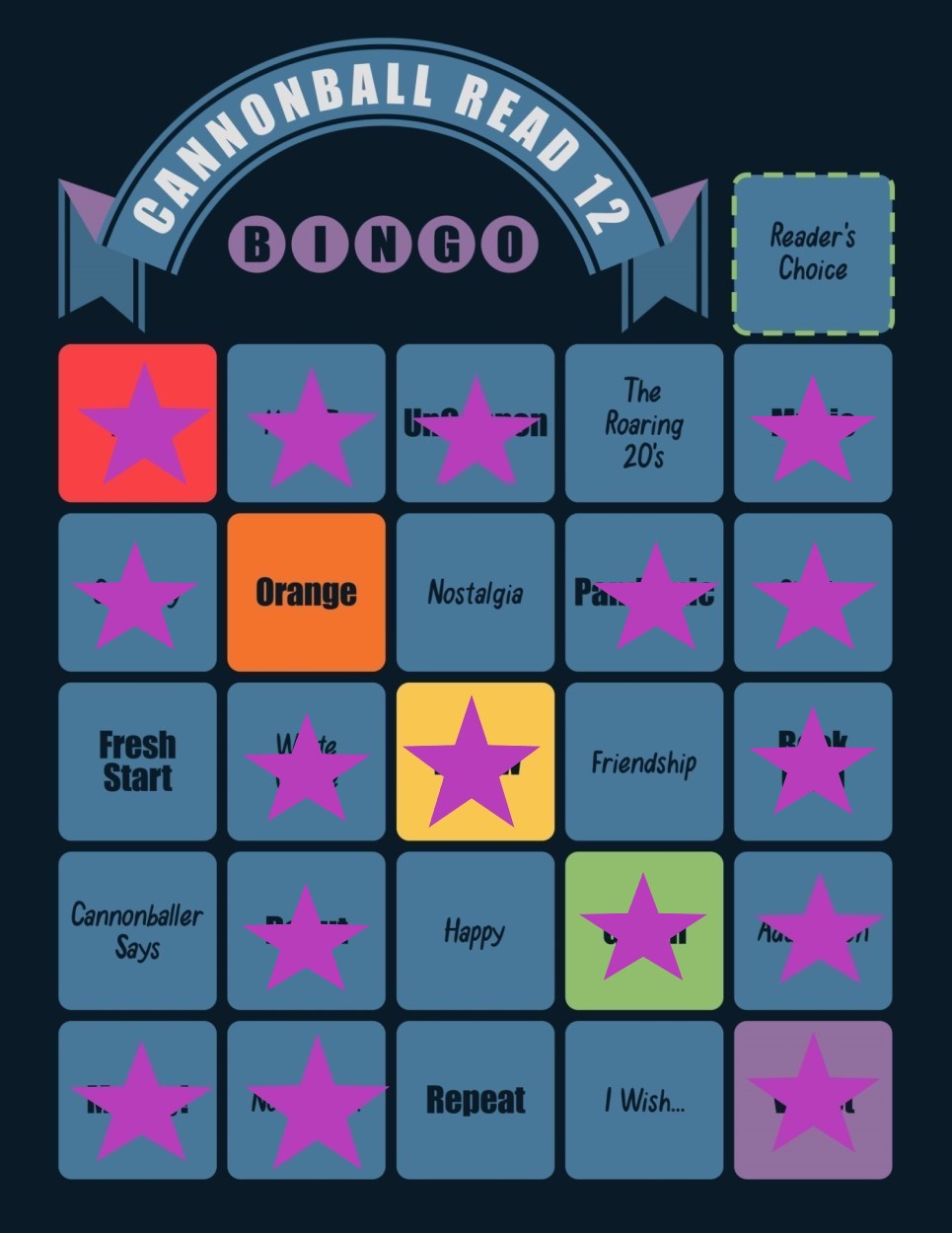
Rebecca has been on my literary radar for 20 years and on my to read list for 6. It has felt like a big, important work that I needed to read, if only to more easily understand some of the references that are out and about: Mrs. Danvers, the opening line of “Last night I dreamt I went to Manderly again”, and so on. Rebecca joined the list of books I categorized as White Whales (Daughter of Fortune, The House of the Spirits, The Lottery, and Jane Eyre also find themselves on that list).
And the mental link to Jane Eyre is important to the expectations I brought to my reading experience – some of the details of the two book had interwoven themselves in my mind and the Jane Eyre ones seemingly took precedence, as I was mighty surprised to be reading a book set in the 1930s as opposed to the 1830s. So, immediately, I was having to put aside anything I thought I knew because my own memory couldn’t be trusted as regarded this book.
Which was probably good. I was able to let myself sink into this story on its own merits and sink in really does feel like the correct descriptor. Our unnamed narrator (although her name has importance it is referenced often and deemed unique and fitting, but it is not shared with the reader, instead subsumed by the titular Rebecca who overshadows our narrator’s sense of self) is young, naïve, and more often in her own head than she is in the world around her. Through the use of the narrator, and her first-person narration specifically, du Maurier builds an emotional landscape where difficult desires run rampant, and people and even houses are mysterious and not as they seem.
The book is through and through a melodrama – there are two sunken ships, a murder, a fire, a costume party and multiple complex betrayals, if not for the quality of du Maurier’s writing style it would very easily fit in with the scripts of modern soap operas. But it is decidedly not a romantic story, Rebecca is instead about jealousy and what that emotion brings to the surface. It also has a circular structure, a closed loop, it ends with Manderley in flames, but the first two chapters are also the conclusion as our narrator paints a picture of the future awaiting the characters after the final chapters. I actually went back and read them again when I was done.
Rebecca was a bestseller when it was published in 1938 and remains popular over 80 years later. Reading this had pushed to the front of my to read list because one of the book clubs I’m in reads things as they are getting adaptations (it read Normal People in the spring) and Netflix just released their own version of this in movie form with Lily James and Armie Hammer. I was trying to get done in time and missed by a few days. I watched the movie this morning before writing this review and it was… not good, empty in a way that the book is not.
Bingo Square: White Whale